Raï
Also known as Rai music, Raï music
Born in western Algeria, Raï turned everyday struggles, romance and social taboos into one of North Africa's most internationally influential popular-music traditions.
Origins and context
Raï grew from western Algerian rural and urban popular culture, combining vernacular poetry and regional musical practices with the cosmopolitan influences circulating through cities such as Oran. Its early history is evolutionary rather than tied to one inventor or precisely dated founding event.
The sound
Characteristics
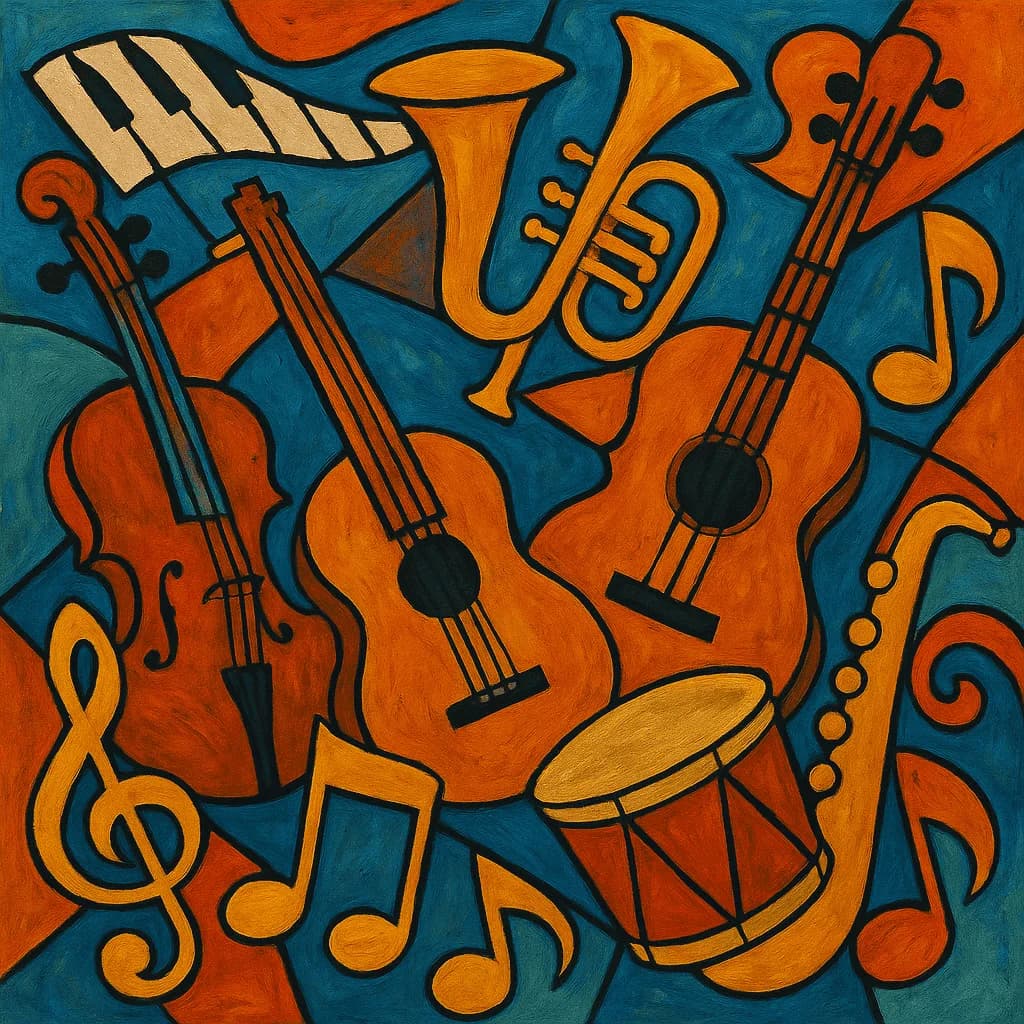
- Vernacular Arabic vocals
- Gasba flute
- Guellal drum
- Derbouka
- Violin
- Trumpet
- Electric guitar
- Synthesizers and drum machines
History
Raï developed in western Algeria, particularly around Oran and the wider Oranie region, from popular and rural musical practices that were already changing rapidly in the early twentieth century. Singers used vernacular Arabic to address love, desire, poverty, migration, drinking and other aspects of ordinary life with unusual directness. Female cheikhas were especially important to the early tradition, and Cheikha Rimitti became one of its defining twentieth-century voices. During the 1970s and 1980s, a younger generation of cheb and cheba performers transformed Raï through amplified instruments, keyboards, drum machines and increasingly pop-oriented arrangements. Khaled, Cheb Mami, Chaba Fadela and other performers helped move the music from weddings, cabarets and cassette culture to international stages. Raï remains active in Algeria and its diaspora and was inscribed by UNESCO on the Representative List of the Intangible Cultural Heritage of Humanity in 2022.
Notable artists
- CRCheikha Rimitti
- KKhaled
- CMCheb Mami
- CFChaba Fadela
- CHCheb Hasni
Essential listening
- 1
- 2
- 3
Meli Meli
Cheb Mami
- 4
Chaba Fadela
Chaba Fadela