Shashmaqom
Also known as Shashmaqom, Shash Maqom, Six Maqams
The classical six-maqam tradition of Uzbekistan and Tajikistan joins poetry, improvisation and elaborate instrumental and vocal suites.
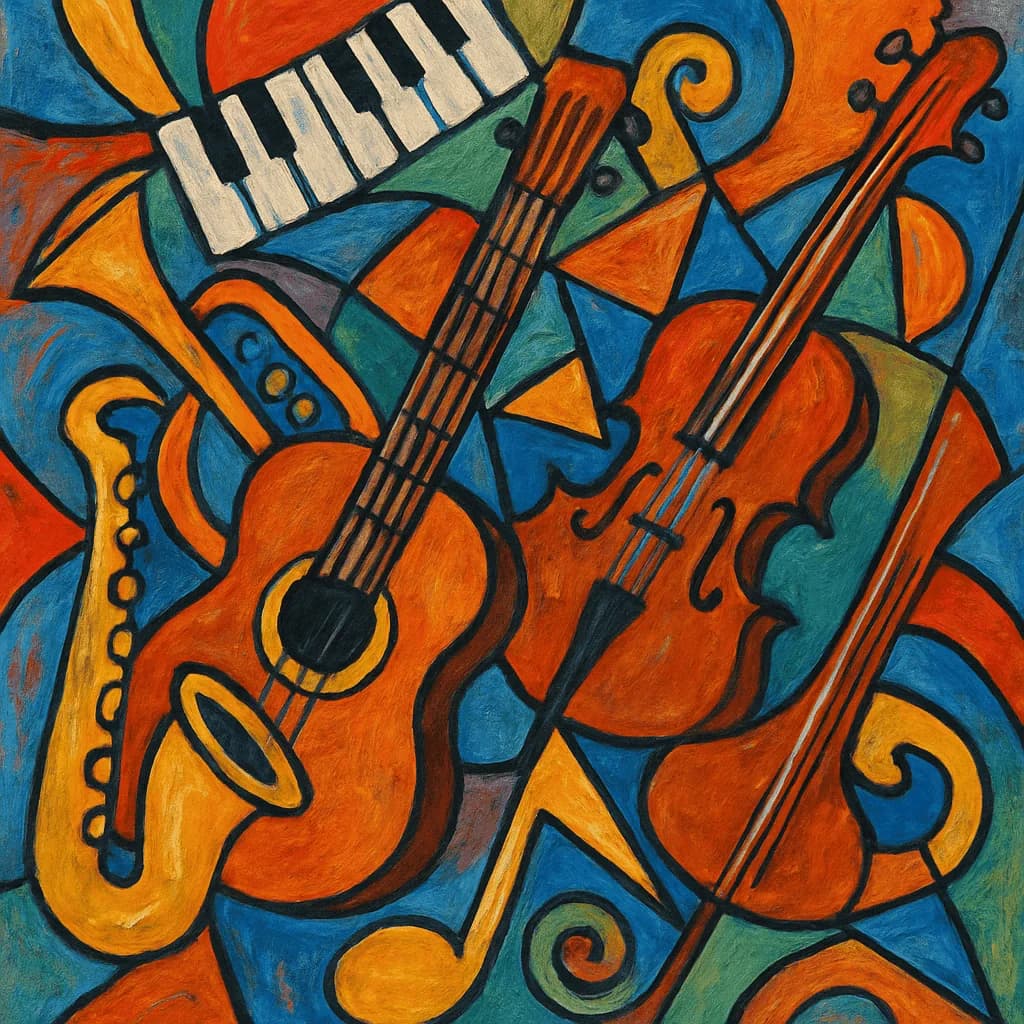
Origins and context
Shashmaqam developed within the multilingual urban culture of Central Asia, where Persian and Turkic poetry, Sufi thought and sophisticated modal theory interacted. Its roots extend too far back for a precise founding year, so the date given represents the documented medieval period rather than a single point of invention.
The sound
Characteristics
- Tanbur
- Dutar
- Sato
- Doira frame drum
- Ney flute
- Bowed fiddles
- Ornamented vocal performance
- Modal suites
- Classical poetry
- Complex rhythmic cycles
History
Shashmaqam developed over many centuries in the urban cultural centres of Central Asia, particularly Bukhara and Samarkand in present-day Uzbekistan and Tajikistan. UNESCO describes the broader tradition as having evolved for more than a thousand years, while Bukhara became especially important as a centre for the schools and musicians who cultivated the maqam repertory. The name literally refers to six maqams, each containing organized instrumental and vocal sections. The tradition historically flourished among both Muslim and Bukharan Jewish musicians and was transmitted principally from master to student because notation captures only part of its melodic and expressive detail. During the twentieth century, conservatories and state ensembles increasingly formalized its teaching, while many musicians also emigrated to Israel and the United States. Uzbekistan and Tajikistan have undertaken safeguarding programmes since independence, and UNESCO inscribed Shashmaqom on the Representative List of the Intangible Cultural Heritage of Humanity in 2008.
Notable artists
- MYMunojat Yulchieva
- TATurgun Alimatov
- ABAri Babakhanov
Essential listening
- 1
- 2
Moghulchai Buzruk
Ari Babakhanov & Ensemble
- 3
Sarakhbori Rast & 5 Tarana's
Ari Babakhanov & Ensemble
- 4