
Ghazal Melayu Johor
Also known as Ghazal Melayu Johor, Johor Ghazal
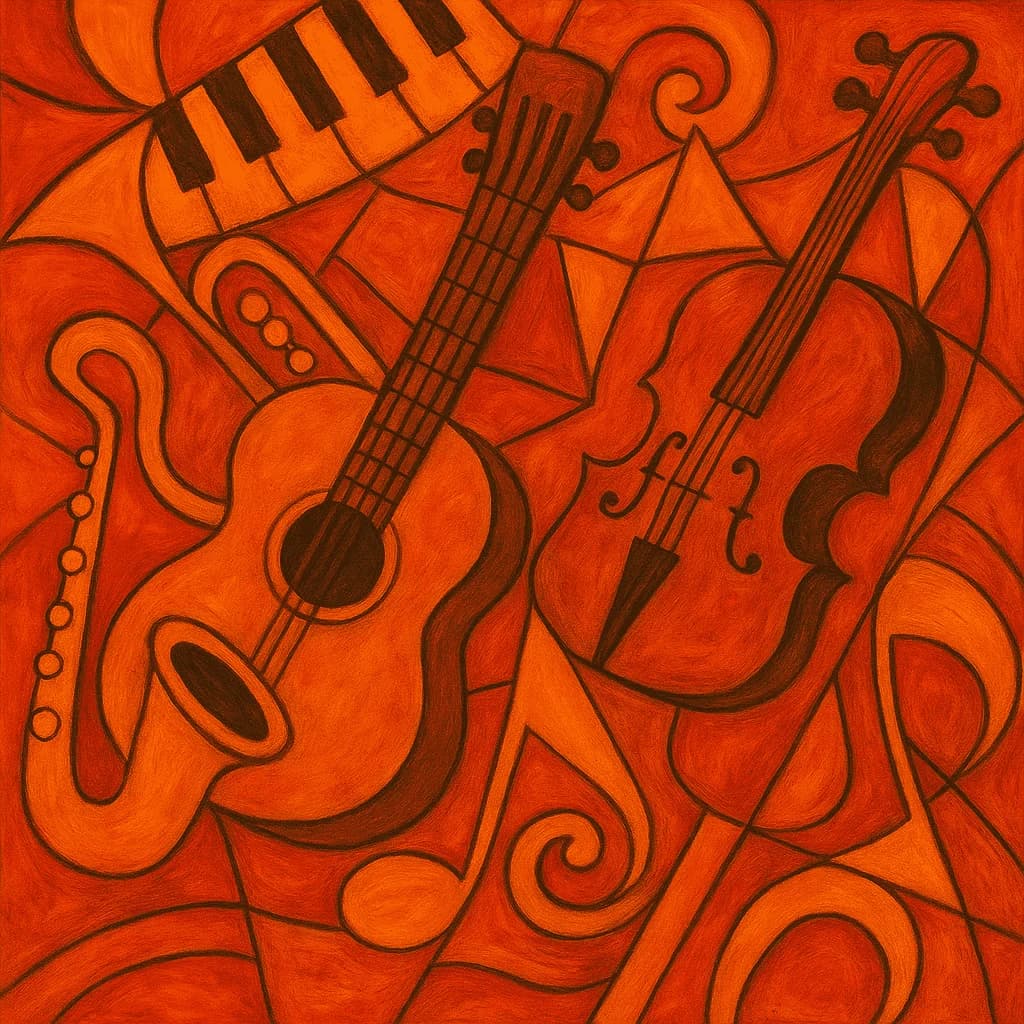
Johor's Malay adaptation of ghazal blends poetic vocals with harmonium, tabla, violin, gambus and guitar.
Origins and context
Ghazal Johor reflects the localisation of a wider transregional ghazal tradition within Malay culture. Courtly and community musicians in Johor reshaped its repertoire, language and instrumentation into a recognisably regional form.
The sound
Characteristics
- Harmonium
- Tabla
- Violin
- Gambus
- Guitar
- Tambourine
- Maracas
- Ornamented Malay vocals
History
Ghazal became established in Johor during the nineteenth century, with research tracing its presence there to approximately the 1860s. Mohd Salleh bin Perang, known as Datuk Bentara Luar, is repeatedly associated with the early spread of the form in Johor, during a period when musical influences circulating through the wider Malay world were being adapted to local court and community settings. Haji Musa bin Yusof, widely known as Pak Lomak, later became one of the central figures in the development of Ghazal Melayu Johor and is frequently described as the father of the Johor Malay ghazal tradition. The Johor form evolved its own repertory and ensemble practice, replacing or supplementing some earlier instruments with instruments more practical or familiar in the local context and becoming an important marker of Johorean cultural identity.
Notable artists
- PLPak Lomak
- ZMZainurin Md. Dom
- AJAhmad Jusoh
- FAFadzil Ahmad
Essential listening
- 1
Pak Lomak
Pak Lomak
- 2
Pak Ngah Balik
Zainurin Md. Dom
- 3
- 4
Orkes Sri Penambang Ghazal Muar
Orkes Sri Penambang Ghazal Muar
Explore connected genres

Sources and further reading
- Research on the Development of Ghazal in Johor — Universiti Teknologi MARA
- psasir.upm.edu.my
Pak Lomak, Haji Musa bin Yusof, is widely identified as a central figure in the development of Ghazal Melayu Johor.
- Ghazal — Repository of Intangible Cultural Heritage Resources, UTHM