Supply without matching demand
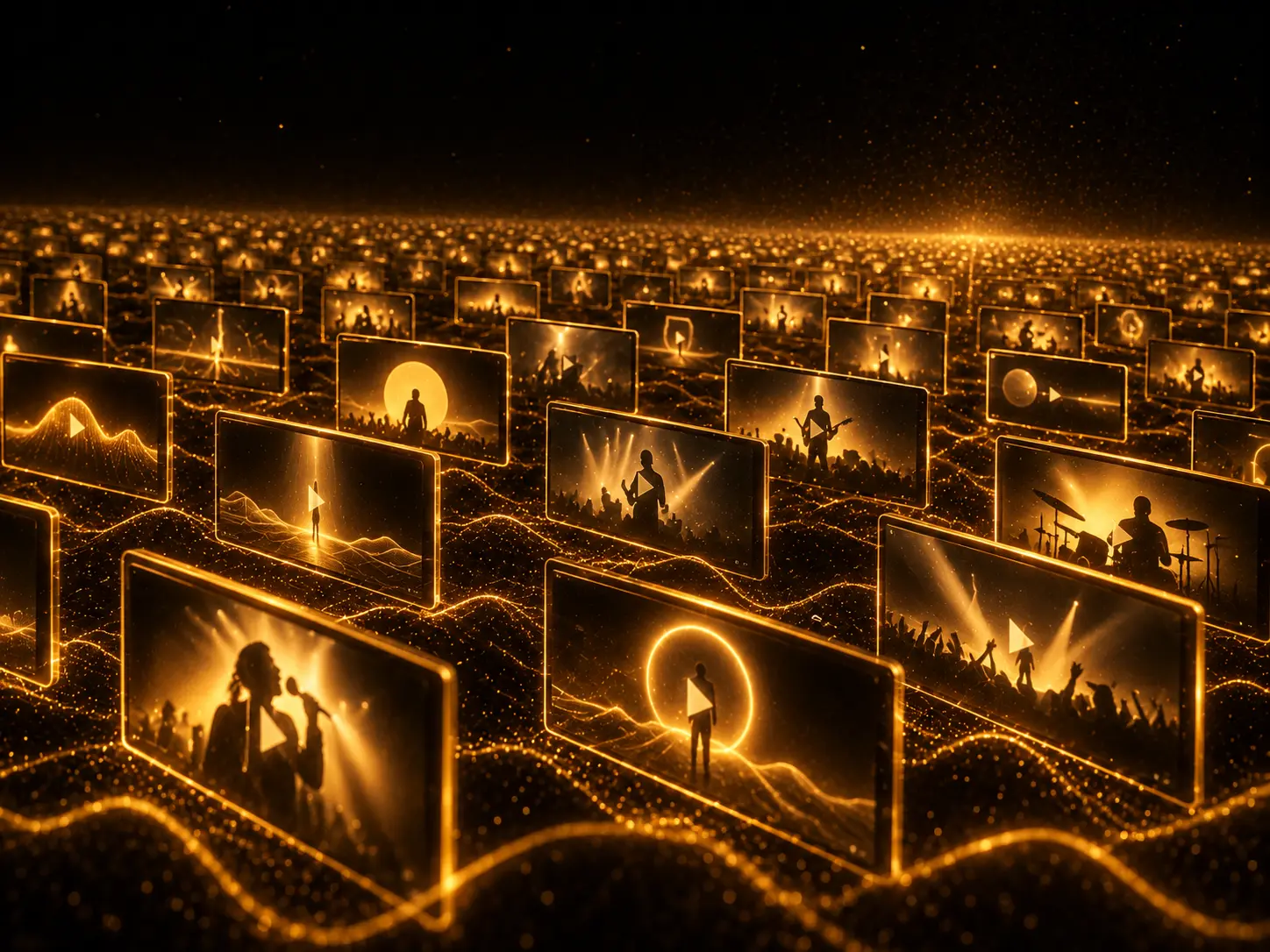
Generative AI changed the economics of music creation by reducing the cost of making one more track. Traditional production still carries meaningful marginal costs. Another finished song can require more writing, recording, musicianship, studio time, mixing, mastering and coordination. AI music systems compress much of that process into a subscription workflow, where a user can generate large numbers of songs at a very low additional cost.
That shift is now visible in platform intake. Deezer reported in July 2026 that it was receiving about 90,000 fully AI-generated tracks every day. During peak periods in June 2026, fully AI-generated tracks represented more than 50 percent of all new tracks delivered to the service. Yet Deezer said those tracks accounted for only around 1 to 3 percent of total listening on its platform, according to Deezer’s newsroom update.
The economic reading is straightforward. AI has produced a major positive supply shock in music, but there is no evidence of an equivalent increase in listener demand. More tracks can enter the system, but listeners still have finite attention, platforms still have finite tolerance for spam and rights risk, and distributors still have to decide what they are willing to carry.
Scarcity returns at the export stage
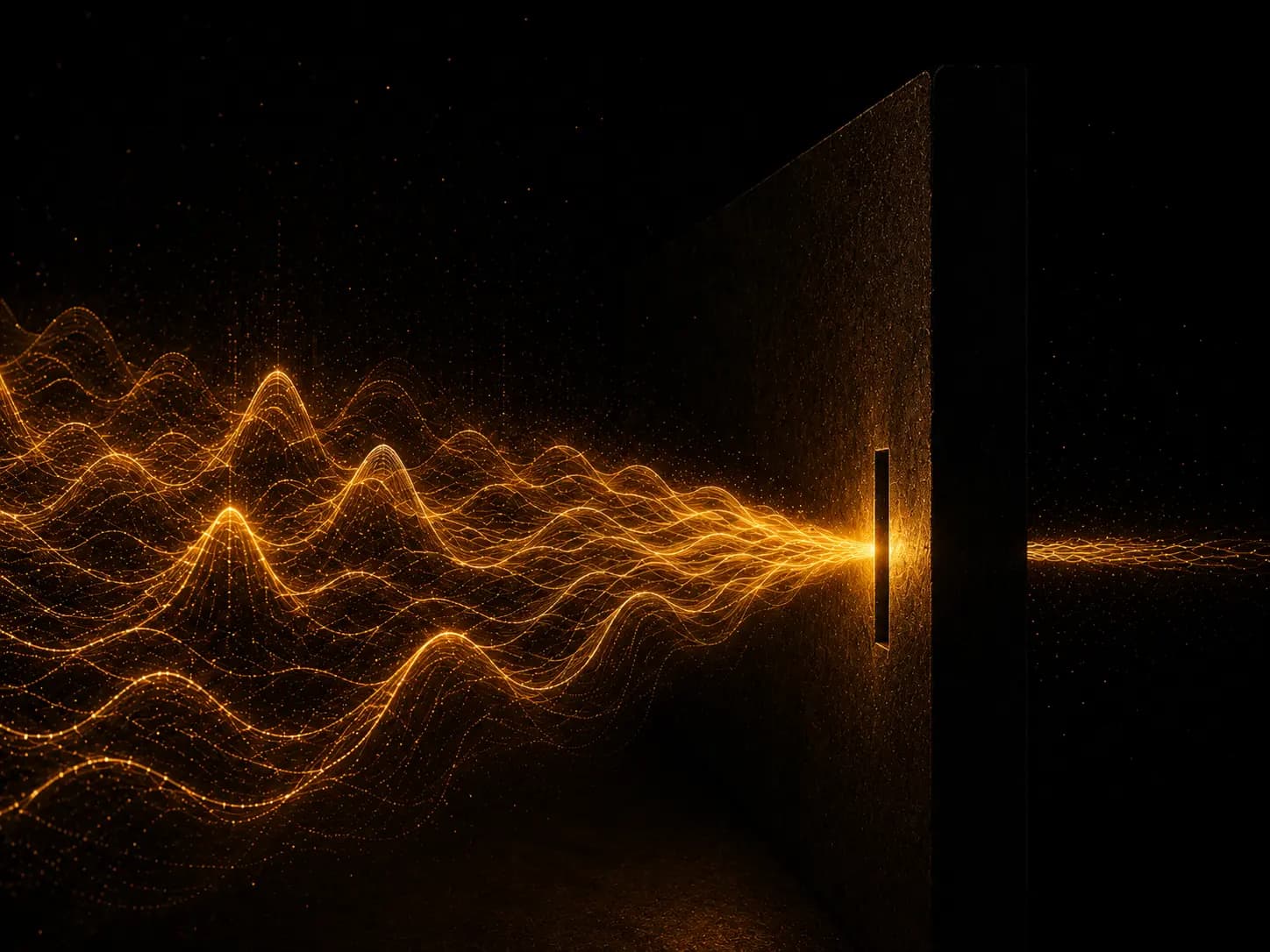
Suno’s September 2026 policy change is significant because it does not primarily restrict generation. It restricts the ease with which generated music can leave the platform under the standard subscription allowance. Suno says Pro users now receive 20 song downloads per month, while Premier users receive 60. Users can buy additional downloads, and Suno’s pricing information indicates that Premier users working through Suno Studio have broader or unlimited download functionality, so this is not an absolute production cap. The details are set out across Suno’s terms update, help article and pricing page.
The distinction matters. A creator may still be able to generate many songs, but exporting those songs becomes a more deliberate act. If a Pro user spends download number 15, only five included downloads remain for that month. That gives each export an implicit opportunity cost. In economic terms, the download allowance creates a shadow price even when no extra money changes hands at the moment of download.
Before this kind of limit, a user who had already paid for a subscription could treat each additional download as close to free. Under the new system, the user has a stronger reason to compare versions, reject weaker generations and decide which tracks are actually worth taking forward. Generation remains abundant. Commercially useful exports become relatively scarcer.
That matters because the export step is not just administrative. Suno’s Terms of Service make the downloaded output important to how users can exploit music outside the platform. If the practical route from prompt to commercial release runs through downloading, then a download quota becomes part of the music supply chain rather than a minor product feature.
Distribution is becoming a second filter
The squeeze is not only happening upstream. Downstream, distributors are also being pushed into a more active gatekeeping role. Lunar Boom has previously argued that distributors such as DistroKid are becoming more than file movers between artists and streaming services. They increasingly sit inside the industry’s identity, provenance, fraud and compliance infrastructure, especially as AI makes catalogue creation easier. That argument is developed in Private Equity Is Buying the Pipes of Independent Music.
Streaming platforms have direct economic reasons to encourage that shift. Spotify states that labels and distributors can be charged when flagrant artificial streaming is detected on individual tracks. Spotify explicitly frames the policy as a way to create incentives for distributors to better police artificial streaming among their users, according to its artificial streaming policy page.
For distributors, this changes the calculation. Accepting a large catalogue of low-effort uploads is not costless if it increases exposure to fraud, rights disputes, metadata abuse or takedown risk. AI-generated music does not automatically create those problems, and legitimate AI artists should not be treated as suspect by default. But when the cost of making and submitting music collapses, platforms and distributors have to assume that some actors will use the technology for volume rather than artistry.
Deezer’s figures show why that concern has become more than theoretical. The company reported that up to 85 percent of streams generated by fully AI-generated tracks during 2025 were identified as fraudulent, compared with around 8 percent across its overall catalogue. This is Deezer-specific data, not proof that 85 percent of all AI music streams globally are fraudulent. Even with that qualification, it suggests that fully AI-generated catalogues can carry unusually high fraud risk in at least some platform environments, based on Deezer’s July 2026 report.
The new bottlenecks
The emerging structure is easy to map.
Generate-->Export-->Distributor-->Streaming platform-->Listener
For the first years of generative AI music, almost every technological force pushed toward more supply. Music became faster to produce. The cost of trying another version fell. Distribution remained relatively inexpensive for independent creators. The new restrictions move in the opposite direction. They do not remove the ability to generate music, but they add friction before generated tracks become commercially available recordings.
Upstream, Suno can make users choose which outputs deserve scarce download capacity. Downstream, distributors and streaming platforms can apply rights, identity, spam and fraud scrutiny before music reaches listeners. These are different controls, but they have a combined effect. They raise the marginal cost of mass releasing AI music.
This will probably not eliminate music farms. Professional operators may buy additional downloads, use higher-tier tools, switch between generation platforms, spread activity across legitimate workflows or absorb higher compliance costs if expected revenue justifies it. The relevant question is not whether someone can still upload 1,000 AI songs. The better question is whether uploading the 1,000th song now costs more time, money or scarce platform capacity than it did before.
The bigger effect may be on ordinary AI creators. The old workflow was simple, generate, download everything, then decide later what was worth releasing. The emerging workflow is more selective, generate, compare, refine, choose, download, then distribute. That is not necessarily bad for AI music. It may push more judgment earlier in the process, before weak or low-conviction tracks reach Spotify, Apple Music, Deezer or other services.
For listeners, that matters because discovery systems are already crowded. For serious AI artists, it matters because indiscriminate uploading can damage trust in the wider category. For platforms and rights holders, it matters because abundance without accountability creates operational costs that eventually get pushed back onto the supply chain.
The first era of generative AI music was defined by removing scarcity from creation. The next era may be defined by where the industry chooses to put scarcity back. Suno is adding friction before music leaves the creation platform. Distributors and streaming services are adding friction before it reaches listeners. Neither system makes AI music genuinely scarce again, but together they may make indiscriminately releasing every generated song less rational. Generating AI music may remain almost unlimited, while commercially releasing every song that gets generated may no longer make economic sense.